
Beds with storage are the other lifesaver. My bedroom is tiny, just enough for a double mattress and a narrow path to the closet. I swapped the basic metal bed frame for one with drawers underneath. Each drawer is deep enough for winter sweaters, extra towels, and out-of-season shoes. That cleared out the entire bottom shelf of my wardrobe, which I then used for the vacuum cleaner and the ironing board. The bed frame itself is low to the ground, about 35 cm, so the room does not feel crowded. But there is a trap. If the bed has a slatted frame built into the base, make sure the slats are strong enough to hold the mattress. Cheap beds with storage often use thin slats that break after six months. I invested in a model with a solid plywood base instead. It is heavier to move, but I never have to listen to a broken slat cracking at 3
Storage in an attic is always tight because the sloped ceilings eliminate most wall space for tall cabinets. I built custom shelving into the eaves. Those triangular dead zones behind the knee walls are perfect for shallow shelves that hold books, small plants, or a collection of vintage cameras. For clothing, a low wardrobe with doors that slide rather than swing open saves precious floor area. My sister uses her attic as a home office, and she hung a pegboard on the back of the door for her tools and supplies. The key is to use every vertical surface, even the door. Do not forget about the space under the stairs if your attic has a staircase. That area can hold a pull-out sofa or a small desk if you cut away some drywall.
The floor joists in attics are usually spaced for light loads, not for heavy furniture and people jumping around. I learned this the hard way when I installed a heavy sofa bed in my own attic conversion. After three months, the ceiling below started showing hairline cracks. The solution was to reinforce the floor with plywood sheeting and additional joist supports before doing anything else. If you are working with a small footprint, skip the bulky furniture and think modular. A slim pull-out sofa works wonders in a narrow attic room. Mine has a simple click-clack mechanism that transforms from seating to sleeping surface in about fifteen seconds. The frame is lightweight but sturdy, and the velvet upholstery adds a touch of warmth to what could feel like a cold, dusty space.
The first time I assembled a custom furniture piece for a client, it was for a couple living in a 1960s studio apartment with exactly one window and a radiator that clicked all night. They needed a sofa bed that did not look like a sofa bed. The standard models from chain stores all felt like camping equipment dressed up in throw pillows. So we went to a local woodworker and designed something specific: a frame that sat low to the ground, with a click-clack mechanism that let the backrest drop flat without shifting the whole unit away from the wall. That single detail meant they could keep their side table in place. It sounds small, but when your entire living area is 320 square feet, moving a table every evening becomes a source of quiet resentm
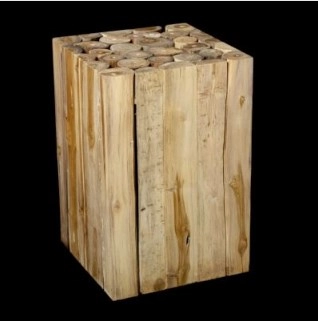 But once you have solved the seating and sleeping, you face the next reality. Where do you put the bedding? When you have a pull-out sofa, you need sheets, a blanket, a pillow, and maybe a spare duvet for guests who run cold. You can not leave these things piled on the couch. It looks like a laundry basket exploded. The most underrated piece of furniture in any apartment interior design is the coffee table with storage inside. Or an ottoman that lifts open. I bought a rectangular ottoman with a wooden lid and put all the guest bedding inside. The fleece blanket, two pillows, and a set of flannel sheets fit perfectly. During the day, it serves as extra seating. At night, I pull out the bedding and make the pull-out sofa in under two minutes. That simple act of hiding the evidence makes the apartment feel like an actual home, not a crash
I will add a note about cable management, because this is where good intentions die. A work area in the bedroom can quickly look like a spider web of chargers and extension cords. Use adhesive clips to route cables along the underside of your desk. If your desk sits near the bed, run the cords behind the headboard or under the slatted frame. I once ran a power strip along the baseboard and hid it with a low bookshelf. The result was a clean surface that did not scream office. Also, consider a foam mattress for the bed itself. A thinner foam mattress allows for a lower profile, which makes the whole room feel taller and less cluttered. Less visual weight means your workspace does not compete with the bed for attent
The real challenge was the foam mattress itself. Most sofa beds come with a block of foam that is basically a five-centimeter slab glued to the seat cushion. You might as well sleep on a yoga mat. I found a version that uses a separate 16-centimeter foam mattress that folds inside the frame. It is dense enough for back sleepers but soft enough for side sleepers. When I close the click-clack mechanism and push it back into sofa mode, the mattress folds cleanly into the base. No lump in the middle. No rogue springs. The whole unit looks like a proper couch, not a transformer. That is crucial when your home coffee corner sits two meters from your dining table. You do not want guests eating breakfast while staring at a folded slab of plas
Storage in an attic is always tight because the sloped ceilings eliminate most wall space for tall cabinets. I built custom shelving into the eaves. Those triangular dead zones behind the knee walls are perfect for shallow shelves that hold books, small plants, or a collection of vintage cameras. For clothing, a low wardrobe with doors that slide rather than swing open saves precious floor area. My sister uses her attic as a home office, and she hung a pegboard on the back of the door for her tools and supplies. The key is to use every vertical surface, even the door. Do not forget about the space under the stairs if your attic has a staircase. That area can hold a pull-out sofa or a small desk if you cut away some drywall.
The floor joists in attics are usually spaced for light loads, not for heavy furniture and people jumping around. I learned this the hard way when I installed a heavy sofa bed in my own attic conversion. After three months, the ceiling below started showing hairline cracks. The solution was to reinforce the floor with plywood sheeting and additional joist supports before doing anything else. If you are working with a small footprint, skip the bulky furniture and think modular. A slim pull-out sofa works wonders in a narrow attic room. Mine has a simple click-clack mechanism that transforms from seating to sleeping surface in about fifteen seconds. The frame is lightweight but sturdy, and the velvet upholstery adds a touch of warmth to what could feel like a cold, dusty space.
The first time I assembled a custom furniture piece for a client, it was for a couple living in a 1960s studio apartment with exactly one window and a radiator that clicked all night. They needed a sofa bed that did not look like a sofa bed. The standard models from chain stores all felt like camping equipment dressed up in throw pillows. So we went to a local woodworker and designed something specific: a frame that sat low to the ground, with a click-clack mechanism that let the backrest drop flat without shifting the whole unit away from the wall. That single detail meant they could keep their side table in place. It sounds small, but when your entire living area is 320 square feet, moving a table every evening becomes a source of quiet resentm
But once you have solved the seating and sleeping, you face the next reality. Where do you put the bedding? When you have a pull-out sofa, you need sheets, a blanket, a pillow, and maybe a spare duvet for guests who run cold. You can not leave these things piled on the couch. It looks like a laundry basket exploded. The most underrated piece of furniture in any apartment interior design is the coffee table with storage inside. Or an ottoman that lifts open. I bought a rectangular ottoman with a wooden lid and put all the guest bedding inside. The fleece blanket, two pillows, and a set of flannel sheets fit perfectly. During the day, it serves as extra seating. At night, I pull out the bedding and make the pull-out sofa in under two minutes. That simple act of hiding the evidence makes the apartment feel like an actual home, not a crash I will add a note about cable management, because this is where good intentions die. A work area in the bedroom can quickly look like a spider web of chargers and extension cords. Use adhesive clips to route cables along the underside of your desk. If your desk sits near the bed, run the cords behind the headboard or under the slatted frame. I once ran a power strip along the baseboard and hid it with a low bookshelf. The result was a clean surface that did not scream office. Also, consider a foam mattress for the bed itself. A thinner foam mattress allows for a lower profile, which makes the whole room feel taller and less cluttered. Less visual weight means your workspace does not compete with the bed for attent
The real challenge was the foam mattress itself. Most sofa beds come with a block of foam that is basically a five-centimeter slab glued to the seat cushion. You might as well sleep on a yoga mat. I found a version that uses a separate 16-centimeter foam mattress that folds inside the frame. It is dense enough for back sleepers but soft enough for side sleepers. When I close the click-clack mechanism and push it back into sofa mode, the mattress folds cleanly into the base. No lump in the middle. No rogue springs. The whole unit looks like a proper couch, not a transformer. That is crucial when your home coffee corner sits two meters from your dining table. You do not want guests eating breakfast while staring at a folded slab of plas