
I learned this the hard way. Two years ago, I squeezed a queen-size sofa bed into my 42-square-meter apartment. It worked for sleeping, but the room felt like a furniture showroom. The back wall was bare white plaster, and every time I had guests, their eyes landed on that colossal lump of a sleeper. Then I installed three vertical planks of grooved wall panels behind it. Suddenly, the sofa felt anchored. The visual weight shifted. Instead of a room with a big bed, I had a room with a deliberate, designed focal point. The panels gave the whole setup a reason for being there. They cost me about sixty euros and two hours of work, and they changed everything about how the space functio
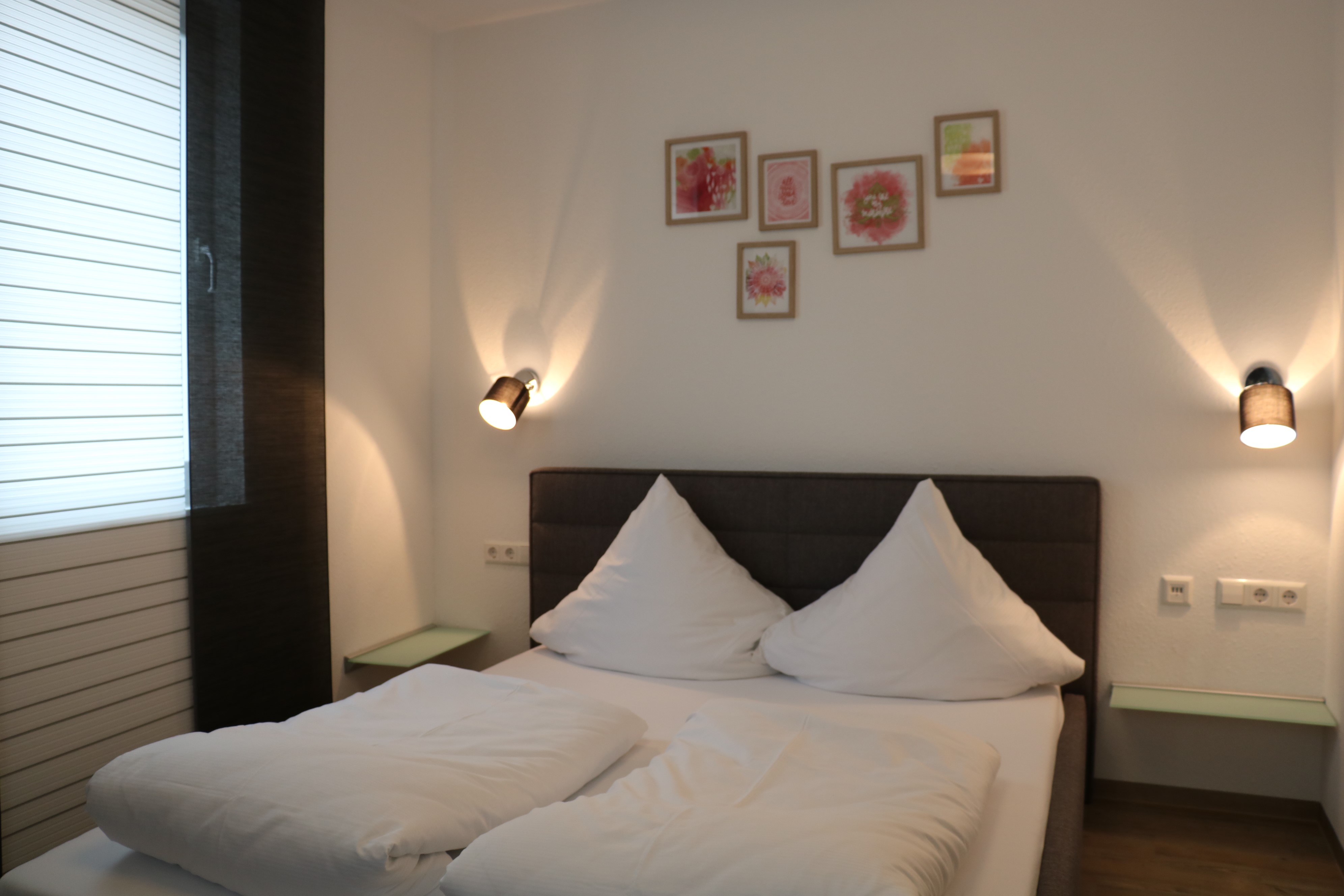 The real beauty of wall panels is their patience. They do not demand anything. They just sit there, quietly framing your furniture. I have a client who lives in a converted attic with sloped ceilings. She has a custom sofa bed that fits under the low eave. The wall behind it was a nightmare of angled drywall and old insulation patches. We covered the entire gable end with shiplap-style wall panels. Now the sloped ceiling looks deliberate, like a cabin. The sofa bed fits into that pocket perfectly. The foam mattress sits on a slatted frame that folds into the sofa structure. Without the panels, the room looked like a construction site. With them, it is a cozy sleeping nook. That is the whole point. You do not need to knock down walls or buy a bigger apartment. You just need to give your existing furniture a better home to live
I once spent a month sleeping on a 16 cm foam mattress that I hauled out from under my dining table every night. It worked, but only if I ignored the way the cats treated it like a scratch post and the fact that I had to step over it to make coffee. That experience taught me something critical about creating a cozy interior in a small apartment. You cannot have furniture that only works for one thing. Your living space has to earn its keep. And the biggest problem is always the same. Where do you put the bedding when the bed has to vanish during the day? You shove pillows into a cabinet, blankets into a laundry basket, and you hope nobody opens that closet door. I have been there. This is about making that s
Let me tell you about my brother. He has a studio with no bedroom at all. His only sleeping solution is a click-clack mechanism sofa that folds flat into a bed with storage underneath. The mechanism is robust, but the room always felt like a waiting room. He hated the blank stretch of wall behind the sofa. So I helped him install a grid of wide wall panels finished in a warm grey laminate. Now, when the sofa is in couch mode, the panels act as an architectural feature. When he converts it into a bed with storage, the panels become a soft headboard surface. He stopped noticing the mechanism entirely. The panels absorbed the mechanical reality of the furniture. That is the trick. You don't fix an awkward layout by fighting it. You give the wall a job to
I still remember the moment I realized my sleek, low-backed living room sofa was a beautiful mistake. It looked fantastic against the wall, all angles and neutral linen. But the first time a friend crashed on it, they woke up with a kink in their neck that lasted three days. The sofa itself was too shallow for proper lounging, and the cushions offered zero support for sleeping. That was the year I learned that choosing a living room sofa involves more than matching the rug. It requires asking the uncomfortable question: will this thing actually work when I need it to? For anyone living in a small apartment or hosting occasional guests, the answer changes everything. You are not just buying a seat. You are buying the most used piece of furniture in your home, and it had better earn its floor sp
The real test came when I needed to accommodate overnight guests. My sofa bed with storage underneath was already filled with linen and winter coats. The pull-out mattress, a thin foam slab on a slatted frame, had been fine for the occasional nap but brutal for a full night's sleep. I swapped it out for a proper sofa bed with storage that hid a decent foam mattress with a 16 cm core. The new configuration ate up more floor space when opened, and the room felt like a matchbox again. My decorative mirror became the emergency exit. I hung it above the sofa's headboard position so that when the bed was pulled out, the glass surface still caught the hallway light. The trick wor
I have tested two different sofa beds in my apartment over the past three years, and the second one cost nearly half the price but performed better because I paid attention to the mechanisms. The cheap version had a thin steel frame that sagged after six months. The replacement uses a solid slatted frame with wooden battens spaced two centimeters apart, and the foam mattress is a high density 12 cm block with a 4 cm memory foam topper. It weighs a bit more, but I can assemble it alone in fifteen minutes. That is the secret no glossy magazine tells you. The best interior design trends are the ones you can actually live with after the photographer leaves. A sofa that works for both movie nights and unexpected guests, with hidden storage and a mechanism that does not fight you. That is not a trend. That is just good se
The real beauty of wall panels is their patience. They do not demand anything. They just sit there, quietly framing your furniture. I have a client who lives in a converted attic with sloped ceilings. She has a custom sofa bed that fits under the low eave. The wall behind it was a nightmare of angled drywall and old insulation patches. We covered the entire gable end with shiplap-style wall panels. Now the sloped ceiling looks deliberate, like a cabin. The sofa bed fits into that pocket perfectly. The foam mattress sits on a slatted frame that folds into the sofa structure. Without the panels, the room looked like a construction site. With them, it is a cozy sleeping nook. That is the whole point. You do not need to knock down walls or buy a bigger apartment. You just need to give your existing furniture a better home to liveI once spent a month sleeping on a 16 cm foam mattress that I hauled out from under my dining table every night. It worked, but only if I ignored the way the cats treated it like a scratch post and the fact that I had to step over it to make coffee. That experience taught me something critical about creating a cozy interior in a small apartment. You cannot have furniture that only works for one thing. Your living space has to earn its keep. And the biggest problem is always the same. Where do you put the bedding when the bed has to vanish during the day? You shove pillows into a cabinet, blankets into a laundry basket, and you hope nobody opens that closet door. I have been there. This is about making that s
Let me tell you about my brother. He has a studio with no bedroom at all. His only sleeping solution is a click-clack mechanism sofa that folds flat into a bed with storage underneath. The mechanism is robust, but the room always felt like a waiting room. He hated the blank stretch of wall behind the sofa. So I helped him install a grid of wide wall panels finished in a warm grey laminate. Now, when the sofa is in couch mode, the panels act as an architectural feature. When he converts it into a bed with storage, the panels become a soft headboard surface. He stopped noticing the mechanism entirely. The panels absorbed the mechanical reality of the furniture. That is the trick. You don't fix an awkward layout by fighting it. You give the wall a job to
I still remember the moment I realized my sleek, low-backed living room sofa was a beautiful mistake. It looked fantastic against the wall, all angles and neutral linen. But the first time a friend crashed on it, they woke up with a kink in their neck that lasted three days. The sofa itself was too shallow for proper lounging, and the cushions offered zero support for sleeping. That was the year I learned that choosing a living room sofa involves more than matching the rug. It requires asking the uncomfortable question: will this thing actually work when I need it to? For anyone living in a small apartment or hosting occasional guests, the answer changes everything. You are not just buying a seat. You are buying the most used piece of furniture in your home, and it had better earn its floor sp
The real test came when I needed to accommodate overnight guests. My sofa bed with storage underneath was already filled with linen and winter coats. The pull-out mattress, a thin foam slab on a slatted frame, had been fine for the occasional nap but brutal for a full night's sleep. I swapped it out for a proper sofa bed with storage that hid a decent foam mattress with a 16 cm core. The new configuration ate up more floor space when opened, and the room felt like a matchbox again. My decorative mirror became the emergency exit. I hung it above the sofa's headboard position so that when the bed was pulled out, the glass surface still caught the hallway light. The trick wor
I have tested two different sofa beds in my apartment over the past three years, and the second one cost nearly half the price but performed better because I paid attention to the mechanisms. The cheap version had a thin steel frame that sagged after six months. The replacement uses a solid slatted frame with wooden battens spaced two centimeters apart, and the foam mattress is a high density 12 cm block with a 4 cm memory foam topper. It weighs a bit more, but I can assemble it alone in fifteen minutes. That is the secret no glossy magazine tells you. The best interior design trends are the ones you can actually live with after the photographer leaves. A sofa that works for both movie nights and unexpected guests, with hidden storage and a mechanism that does not fight you. That is not a trend. That is just good se
