
Understanding Your Fridge & & Freezer: A Comprehensive Guide
Refrigerators and freezers are indispensable devices in contemporary homes. They not only maintain food however likewise play an important function in decreasing food waste and preserving health. In this article, we will check out the functioning, upkeep, and optimum use of refrigerators and freezers. We will likewise address some often asked concerns to enhance your understanding of these vital devices.
Table of Contents
- Basic Functionality
- Types of Refrigerators and Freezers
- Optimum Temperature Settings
- Maintenance Tips
- Typical Problems and Solutions
- FAQs
- Conclusion
1. Basic Functionality
Refrigerators and freezers deal with the concept of thermodynamics, making use of a refrigeration cycle to remove heat from the interior and expel it to the outside environment. This cycle includes a number of key components:
- Compressor: Compresses the refrigerant gas, raising its temperature and pressure.
- Condenser Coils: The hot gas travels through coils, where it launches heat and condenses into a liquid.
- Growth Valve: The liquid refrigerant expands and cools down as it goes into the evaporator coils.
- Evaporator Coils: The cold refrigerant absorbs heat from the interior of the fridge/freezer, cooling the contents.
Table 1: Basic Components of a Refrigerator
| Part | Function |
|---|---|
| Compressor | Compresses refrigerant gas |
| Condenser Coils | Expels heat and condenses refrigerant |
| Expansion Valve | Minimizes pressure, cooling the refrigerant |
| Evaporator Coils | Soaks up heat from the fridge/freezer |
2. Kinds of Refrigerators and Freezers
When picking a refrigerator or freezer, it's necessary to comprehend the various types available in the market. Below is a category of popular models:
Table 2: Types of Refrigerators
| Type | Description |
|---|---|
| Top Freezer | Freezer lies above the refrigerator compartment. |
| Bottom Freezer | Freezer lies listed below the refrigerator compartment. |
| Side-by-Side | Freezer and refrigerator are surrounding, accessible from both sides. |
| French Door | Functions double doors for the fridge freezers uk with a different freezer drawer. |
| Compact | Small-sized units, perfect for limited areas. |
| Integrated | Integrated into cabinetry for a seamless look. |
Table 3: Types of Freezers
| Type | Description |
|---|---|
| Chest Freezer | A horizontally opening freezer, generally more energy-efficient. |
| Upright Freezer | A vertically opening freezer, similar to a fridge design. |
| Drawer Freezer | Located in the refrigerator or as a standalone system, often more available. |
3. Optimal Temperature Settings
Preserving the right temperature is essential for protecting food quality and safety. Here are the suggested settings:
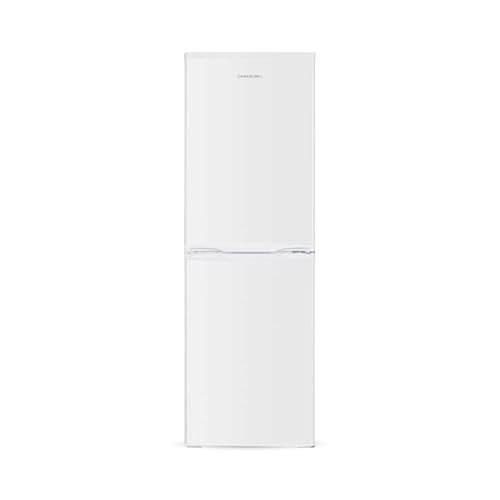
Table 4: Recommended Temperature Settings
| Appliance | Recommended Temperature |
|---|---|
| buy fridge freezers | 34 ° F to 38 ° F( |
| 1 ° C to 3 | ° C) |
Freezer 0 ° F (-18 ° C) Best Practices:
- Regularly check and adjust the temperature.
- Avoid overcrowding to guarantee appropriate air blood circulation.
- Use home appliance thermometers to keep track of temperatures precisely.
4. Upkeep Tips
Correct maintenance can extend the life of your refrigerator and freezer. Consider the following pointers:
- Clean the Coils: Dust and debris can accumulate on condenser coils, decreasing effectiveness. Tidy at least two times a year.
- Check Door Seals: Damaged seals can lead to energy loss. Inspect regularly and replace if necessary.
- Defrost Regularly: If you have a manual defrost freezer, do so when ice accumulation goes beyond 1/4 inch.
- Organize Contents: Keep products arranged for better airflow and easier access, lowering the time the doors remain open.
- Use Containers: Airtight containers help in reducing wetness and odors, extending food freshness.
5. Typical Problems and Solutions
Even the best fridge uk devices can face problems. Here, we cover some typical problems and their options.
Table 5: Common Problems and Solutions
| Issue | Possible Cause | Solution |
|---|---|---|
| cheapest fridge freezers uk not cooling | Faulty compressor | Contact an expert service technician |
| Freezer ice buildup | Obstructed vents or faulty defrost system | Inspect and clear vents; thaw manually |
| Excessive sound | Loose elements | Tighten up loose parts or change malfunctioning ones |
| Water pooling inside | Blocked defrost drain | Clear the drain line |
| Door won't close effectively | Misaligned door or damaged seals | Change hinges or change seals |
6. FAQs
Q1: How long should a refrigerator last?
Generally, refrigerators last in between 10 to 20 years, depending on use and maintenance.
Q2: Is it safe to keep the temperature level greater than the recommended settings?
Keeping temperatures greater than suggested can result in food spoilage and increase the risk of foodborne illnesses.
Q3: How can I lower energy usage?
- Keep the refrigerator complete but not overcrowded, enhancing air blood circulation.
- Frequently clean coils and ensure door seals are intact.
- Prevent placing hot food directly into the fridge; let it cool initially.
Q4: What foods should not be kept in the fridge?
Certain foods, such as tomatoes, potatoes, and onions, preserve much better taste and texture when kept at space temperature level.
Q5: Is it all right to position a fridge next to the oven?
It is normally not suggested, as heat from the oven can impact the fridge's effectiveness and life expectancy.
7. Conclusion
Comprehending your fridge and freezer is important for guaranteeing food safety, decreasing waste, and taking full advantage of the life-span of these vital appliances. By following the standards described in this post, homeowners can keep optimum efficiency, fix typical issues, and make informed decisions about food storage. Take the time to care fridges for Sale uk your fridge and freezer, and they will serve you well for many years to come!