
Moreover, aloe vera has digestive benefits, which can be an added advantage for pregnant women facing gastrointestinal discomfort. For more details, propolis Skin cream, which may be helpful. Its natural laxative properties may help in easing constipation, a common complaint during pregnancy. However, it is vital to approach the internal use of aloe vera with caution, as excessive consumption can lead to adverse effects. Hence, pregnant women should focus primarily on topical applications to maximize the benefits while minimizing potential risks.
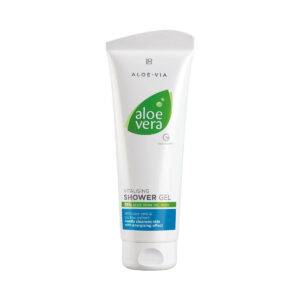 Reading the ingredient list is equally important. A high-quality aloe vera lotion should have aloe vera listed as one of the primary ingredients, preferably in its pure form. Other beneficial ingredients to look for include natural oils such as coconut or jojoba oil, which enhance moisturizing capabilities without irritation. Additionally, consider lotions that include essential oils like lavender for their calming properties, which can help soothe both the baby and their parents during application.
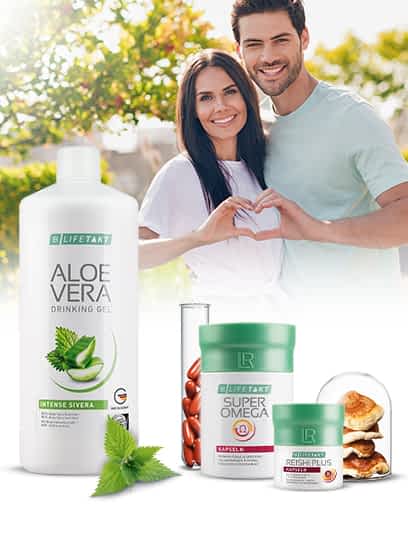 Alternative Natural Remedies for Pregnant Women
If you're hesitant about using aloe vera or have experienced adverse reactions, there are several alternative natural remedies that pregnant women can use for skincare. For instance, coconut oil is renowned for its moisturizing properties and can be used to hydrate the skin while also providing a protective barrier. It is safe for most pregnant women and can help in reducing the appearance of stretch marks.
Additionally, the quality of aloe vera products can vary significantly. Some commercial products may contain additives, preservatives, or artificial ingredients that could pose risks during pregnancy. Therefore, it is essential to choose high-quality, pure aloe vera gel products from reputable brands. Pregnant women should always check ingredient labels carefully and opt for products that are free from harmful chemicals.
Another aspect to consider is the texture of the lotion. Ideally, aloe vera baby lotions should be lightweight and easily absorbed. This quality ensures that the lotion does not leave a sticky residue on the skin, making it comfortable for babies to wear throughout the day. Testing a small amount on your baby’s skin before full application can help determine if the lotion is suitable for their specific skin type.
As awareness of natural ingredients grows, more consumers are turning to aloe vera for their hair care needs. This plant has been celebrated for centuries not just for its soothing properties but also for its incredible ability to enhance hair health. By harnessing the moisture-rich qualities of aloe vera, individuals can improve their hair's texture, manageability, and overall health. With a growing number of people prioritizing natural solutions, understanding why aloe vera hair masks are superior to oil treatments is essential for anyone seeking effective hair care.
Frequently Asked Questions
Are aloe vera baby lotions safe for newborns?
Yes, aloe vera baby lotions are generally safe for newborns. However, it's advisable to choose products specifically formulated for infants and perform a patch test to check for any allergic reactions.
Can I make my own Aloe Vera gel for my baby?
Yes, you can create your own Aloe Vera gel at home by extracting the gel from fresh Aloe Vera leaves. Make sure to rinse and properly prepare the leaves to remove any unwanted elements. However, store-bought Aloe Vera gels designed for babies are often formulated to ensure safety and stability, making them a convenient choice.
 The Science Behind Aloe Vera and Eczema Relief
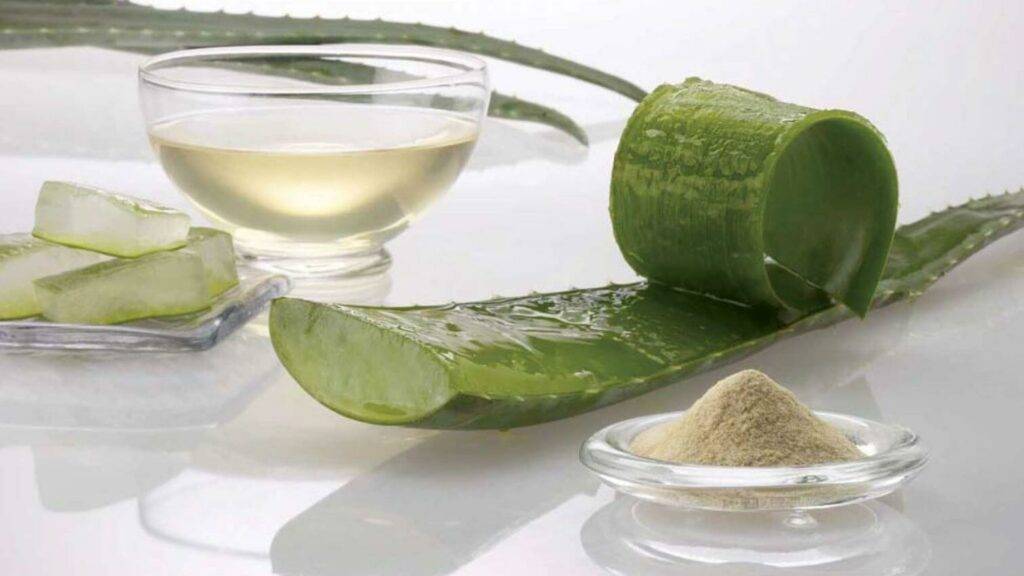
Aloe vera is a succulent plant that has been used for centuries in traditional medicine, particularly for its skin healing properties. The plant contains over 75 active compounds, including vitamins, minerals, and enzymes, which contribute to its health benefits. One of the most significant aspects of aloe vera is its ability to act as a natural moisturizer. This is particularly vital for individuals suffering from eczema, as dry skin often exacerbates the condition. According to research, aloe vera can hydrate the skin while also providing a protective barrier against environmental irritants.
When evaluating foot creams, check the ingredient list for added beneficial components such as urea, which is known for its exfoliating properties, or shea butter, which enhances moisture retention. These ingredients can complement Aloe Vera’s natural healing abilities, providing a more comprehensive approach to foot care.
 The gel-like substance found in Aloe Vera leaves is rich in polysaccharides, which help to retain moisture in the skin. When applied topically, Aloe Vera forms a protective barrier that locks in hydration, preventing further dryness and cracking. Furthermore, its anti-inflammatory properties can soothe irritated skin, making it a perfect remedy for those suffering from painful heel cracks.
 Comparing Cost and Accessibility
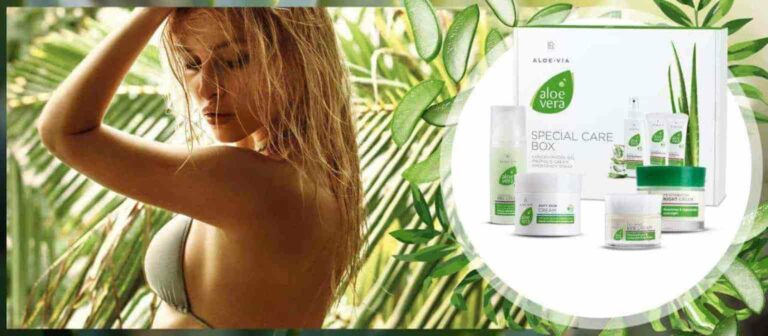
When it comes to cost, aloe vera hair masks can be a more economical choice compared to traditional oil treatments. While high-quality oils can be quite expensive, aloe vera is often more affordable and can be found easily in supermarkets, health stores, or even grown at home. This accessibility makes it a practical option for those seeking effective hair care solutions without breaking the bank.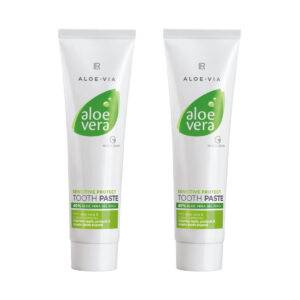
Reading the ingredient list is equally important. A high-quality aloe vera lotion should have aloe vera listed as one of the primary ingredients, preferably in its pure form. Other beneficial ingredients to look for include natural oils such as coconut or jojoba oil, which enhance moisturizing capabilities without irritation. Additionally, consider lotions that include essential oils like lavender for their calming properties, which can help soothe both the baby and their parents during application.Alternative Natural Remedies for Pregnant Women If you're hesitant about using aloe vera or have experienced adverse reactions, there are several alternative natural remedies that pregnant women can use for skincare. For instance, coconut oil is renowned for its moisturizing properties and can be used to hydrate the skin while also providing a protective barrier. It is safe for most pregnant women and can help in reducing the appearance of stretch marks.
Additionally, the quality of aloe vera products can vary significantly. Some commercial products may contain additives, preservatives, or artificial ingredients that could pose risks during pregnancy. Therefore, it is essential to choose high-quality, pure aloe vera gel products from reputable brands. Pregnant women should always check ingredient labels carefully and opt for products that are free from harmful chemicals.
Another aspect to consider is the texture of the lotion. Ideally, aloe vera baby lotions should be lightweight and easily absorbed. This quality ensures that the lotion does not leave a sticky residue on the skin, making it comfortable for babies to wear throughout the day. Testing a small amount on your baby’s skin before full application can help determine if the lotion is suitable for their specific skin type.
As awareness of natural ingredients grows, more consumers are turning to aloe vera for their hair care needs. This plant has been celebrated for centuries not just for its soothing properties but also for its incredible ability to enhance hair health. By harnessing the moisture-rich qualities of aloe vera, individuals can improve their hair's texture, manageability, and overall health. With a growing number of people prioritizing natural solutions, understanding why aloe vera hair masks are superior to oil treatments is essential for anyone seeking effective hair care.
Frequently Asked Questions
Are aloe vera baby lotions safe for newborns?
Yes, aloe vera baby lotions are generally safe for newborns. However, it's advisable to choose products specifically formulated for infants and perform a patch test to check for any allergic reactions.
Can I make my own Aloe Vera gel for my baby?
Yes, you can create your own Aloe Vera gel at home by extracting the gel from fresh Aloe Vera leaves. Make sure to rinse and properly prepare the leaves to remove any unwanted elements. However, store-bought Aloe Vera gels designed for babies are often formulated to ensure safety and stability, making them a convenient choice.
The Science Behind Aloe Vera and Eczema Relief Aloe vera is a succulent plant that has been used for centuries in traditional medicine, particularly for its skin healing properties. The plant contains over 75 active compounds, including vitamins, minerals, and enzymes, which contribute to its health benefits. One of the most significant aspects of aloe vera is its ability to act as a natural moisturizer. This is particularly vital for individuals suffering from eczema, as dry skin often exacerbates the condition. According to research, aloe vera can hydrate the skin while also providing a protective barrier against environmental irritants.
When evaluating foot creams, check the ingredient list for added beneficial components such as urea, which is known for its exfoliating properties, or shea butter, which enhances moisture retention. These ingredients can complement Aloe Vera’s natural healing abilities, providing a more comprehensive approach to foot care.
The gel-like substance found in Aloe Vera leaves is rich in polysaccharides, which help to retain moisture in the skin. When applied topically, Aloe Vera forms a protective barrier that locks in hydration, preventing further dryness and cracking. Furthermore, its anti-inflammatory properties can soothe irritated skin, making it a perfect remedy for those suffering from painful heel cracks.Comparing Cost and Accessibility When it comes to cost, aloe vera hair masks can be a more economical choice compared to traditional oil treatments. While high-quality oils can be quite expensive, aloe vera is often more affordable and can be found easily in supermarkets, health stores, or even grown at home. This accessibility makes it a practical option for those seeking effective hair care solutions without breaking the bank.