
How to Use Aloe Vera Cooling Gel Effectively
To maximize the benefits of aloe vera cooling gel, it's essential to know how to incorporate it into your skincare routine effectively. Start by applying the gel to clean, dry skin. After washing your face or body, gently pat the skin dry and apply a generous amount of aloe vera gel. Allow it to absorb fully before applying other products such as serums or sunscreen. This method ensures that your skin receives the full hydrating and soothing benefits of the gel.
Moreover, you can experiment with recipes that include drinkable aloe vera gel. For example, creating a detoxifying salad dressing with olive oil, lemon juice, and a splash of aloe vera gel can add a nutritious kick to your meals. The possibilities are endless, and being creative in the kitchen can make the process of incorporating this health-boosting gel into your diet more enjoyable.
Furthermore, it is essential to use products that contain natural Aloe Vera, as many commercial products can contain additives that might irritate the skin. For more details, face cleansing for dry skin, which may be helpful. Reading labels and choosing products from reputable brands can help ensure that only the beneficial properties of Aloe Vera are utilized. For those who prefer a DIY approach, extracting the gel directly from the plant is often the best option.
Additionally, using aloe vera can encourage the use of local products, especially if you choose to grow your own plant. Supporting local agriculture not only boosts the economy but also fosters a sense of community and connection to the environment. By embracing aloe vera as part of your hair care routine, you contribute to a more sustainable, health-conscious beauty culture.
In recent years, the use of natural ingredients, particularly aloe vera, has surged in popularity among skincare enthusiasts. Aloe vera is renowned for its ability to calm irritation, reduce redness, and hydrate the skin without clogging pores. This makes it an ideal choice for men who suffer from conditions such as razor burn, dry patches, or general skin sensitivity. Understanding how to choose the right aloe vera face cream is crucial, and in this guide, we will explore the best options available, highlighting their key benefits, ingredients, and how they can enhance your daily skincare regimen.
 Can aloe vera face cream help with acne?
Aloe vera has anti-inflammatory properties that can help soothe and reduce acne-related redness. While it may not directly treat acne, it can complement other treatments.
 1. Aloe Vera Gel Cream by Pure Aloe: This product combines pure aloe vera gel with natural oils to provide intense hydration. It's lightweight, absorbs quickly, and is ideal for daily use. The cream is suitable for all skin types, especially sensitive skin, and helps to heal and soothe post-shaving irritation.
Environmental Impact and Sustainability of Aloe Vera
As consumers become increasingly aware of the environmental impact of their skincare choices, many are looking for sustainable options. Aloe vera is a highly sustainable plant that requires minimal water and resources to grow. Its cultivation can often be done in arid regions where other crops may struggle, making it an environmentally friendly choice for skincare. By choosing products that utilize aloe vera, consumers are supporting a sustainable industry that prioritizes eco-friendly practices.
 Nutrient
Amount per 100g
Function
Vitamin A
200 IU
Supports vision and immune function
Vitamin C
4.6 mg
Antioxidant, supports skin health
Vitamin E
0.2 mg
Protects cells from oxidative stress
Calcium
20 mg
Essential for bone health
Magnesium
15 mg
Supports muscle and nerve function
Polysaccharides
5-10%
Anti-inflammatory, supports gut health
Furthermore, unlike many oils that can create a barrier on the hair shaft, aloe vera delivers moisture directly to the hair and scalp without heavy residue. This allows for enhanced penetration of nutrients and hydration, promoting healthier hair from the inside out. Regular use of aloe vera masks can lead to visibly shinier, smoother hair, which is often a challenge with oil treatments.
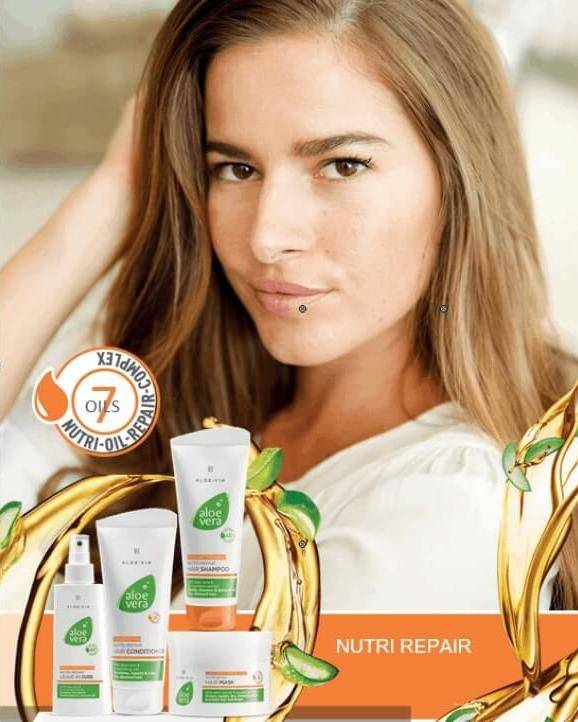 In addition to its healing benefits, aloe vera is also a natural moisturizer. Unlike many commercial moisturizers that contain artificial ingredients, aloe vera gel hydrates the skin without leaving a greasy residue. This makes it ideal for hot summer days when a heavy cream may feel too suffocating. The gel’s ability to penetrate the skin easily means that it delivers moisture deep into the epidermis, ensuring long-lasting hydration and a refreshed appearance. As a result, incorporating aloe vera into your skincare routine can lead to visibly healthier and more radiant skin.
Furthermore, the use of aloe vera in skincare can contribute to reducing plastic waste. Many aloe vera gels come in recyclable packaging, and some brands even offer refill options to encourage customers to reduce their environmental footprint. By adopting these practices, consumers can enjoy the benefits of aloe vera while also making a positive impact on the planet.
To maximize the benefits of aloe vera cooling gel, it's essential to know how to incorporate it into your skincare routine effectively. Start by applying the gel to clean, dry skin. After washing your face or body, gently pat the skin dry and apply a generous amount of aloe vera gel. Allow it to absorb fully before applying other products such as serums or sunscreen. This method ensures that your skin receives the full hydrating and soothing benefits of the gel.
Moreover, you can experiment with recipes that include drinkable aloe vera gel. For example, creating a detoxifying salad dressing with olive oil, lemon juice, and a splash of aloe vera gel can add a nutritious kick to your meals. The possibilities are endless, and being creative in the kitchen can make the process of incorporating this health-boosting gel into your diet more enjoyable.
Furthermore, it is essential to use products that contain natural Aloe Vera, as many commercial products can contain additives that might irritate the skin. For more details, face cleansing for dry skin, which may be helpful. Reading labels and choosing products from reputable brands can help ensure that only the beneficial properties of Aloe Vera are utilized. For those who prefer a DIY approach, extracting the gel directly from the plant is often the best option.
Additionally, using aloe vera can encourage the use of local products, especially if you choose to grow your own plant. Supporting local agriculture not only boosts the economy but also fosters a sense of community and connection to the environment. By embracing aloe vera as part of your hair care routine, you contribute to a more sustainable, health-conscious beauty culture.
In recent years, the use of natural ingredients, particularly aloe vera, has surged in popularity among skincare enthusiasts. Aloe vera is renowned for its ability to calm irritation, reduce redness, and hydrate the skin without clogging pores. This makes it an ideal choice for men who suffer from conditions such as razor burn, dry patches, or general skin sensitivity. Understanding how to choose the right aloe vera face cream is crucial, and in this guide, we will explore the best options available, highlighting their key benefits, ingredients, and how they can enhance your daily skincare regimen.
Can aloe vera face cream help with acne?Aloe vera has anti-inflammatory properties that can help soothe and reduce acne-related redness. While it may not directly treat acne, it can complement other treatments.
1. Aloe Vera Gel Cream by Pure Aloe: This product combines pure aloe vera gel with natural oils to provide intense hydration. It's lightweight, absorbs quickly, and is ideal for daily use. The cream is suitable for all skin types, especially sensitive skin, and helps to heal and soothe post-shaving irritation.Environmental Impact and Sustainability of Aloe Vera
As consumers become increasingly aware of the environmental impact of their skincare choices, many are looking for sustainable options. Aloe vera is a highly sustainable plant that requires minimal water and resources to grow. Its cultivation can often be done in arid regions where other crops may struggle, making it an environmentally friendly choice for skincare. By choosing products that utilize aloe vera, consumers are supporting a sustainable industry that prioritizes eco-friendly practices.
Nutrient Amount per 100g
Function
Vitamin A
200 IU
Supports vision and immune function
Vitamin C
4.6 mg
Antioxidant, supports skin health
Vitamin E
0.2 mg
Protects cells from oxidative stress
Calcium
20 mg
Essential for bone health
Magnesium
15 mg
Supports muscle and nerve function
Polysaccharides
5-10%
Anti-inflammatory, supports gut health
Furthermore, unlike many oils that can create a barrier on the hair shaft, aloe vera delivers moisture directly to the hair and scalp without heavy residue. This allows for enhanced penetration of nutrients and hydration, promoting healthier hair from the inside out. Regular use of aloe vera masks can lead to visibly shinier, smoother hair, which is often a challenge with oil treatments.
In addition to its healing benefits, aloe vera is also a natural moisturizer. Unlike many commercial moisturizers that contain artificial ingredients, aloe vera gel hydrates the skin without leaving a greasy residue. This makes it ideal for hot summer days when a heavy cream may feel too suffocating. The gel’s ability to penetrate the skin easily means that it delivers moisture deep into the epidermis, ensuring long-lasting hydration and a refreshed appearance. As a result, incorporating aloe vera into your skincare routine can lead to visibly healthier and more radiant skin.Furthermore, the use of aloe vera in skincare can contribute to reducing plastic waste. Many aloe vera gels come in recyclable packaging, and some brands even offer refill options to encourage customers to reduce their environmental footprint. By adopting these practices, consumers can enjoy the benefits of aloe vera while also making a positive impact on the planet.