
GSA SER Global Site List
Understanding the GSA SER Global Site List
For anyone involved in advanced link building or automated SEO campaigns, GSA Search Engine Ranker is a formidable tool. At the heart of its versatility lies a critical component: the GSA SER global site list. This feature is not just a convenience—it’s a strategic asset that separates chaotic blasting from structured, high-efficiency campaign management. Understanding how to leverage this list can drastically improve your platform targeting, save time, and refine the overall quality of your backlink profile.
What Exactly is the Global Site List?
The GSA SER global site list is a centralized repository of target URLs that can be shared across multiple projects. Instead of manually importing the same sets of websites into every campaign you create, you maintain a single master list. When you edit or update this global list, every project that references it automatically inherits those changes. This eliminates redundancy—you no longer need to juggle dozens of identical target files scattered across different campaign folders.
Key Components of the List
A typical global site list consists of verified and identified platforms that accept various types of submissions. These often include:
- Article directories and wikis
- Web 2.0 blogs and social network profiles
- Forum profiles and discussion boards
- Guestbook pages and image comments
- Video sharing sites and document repositories
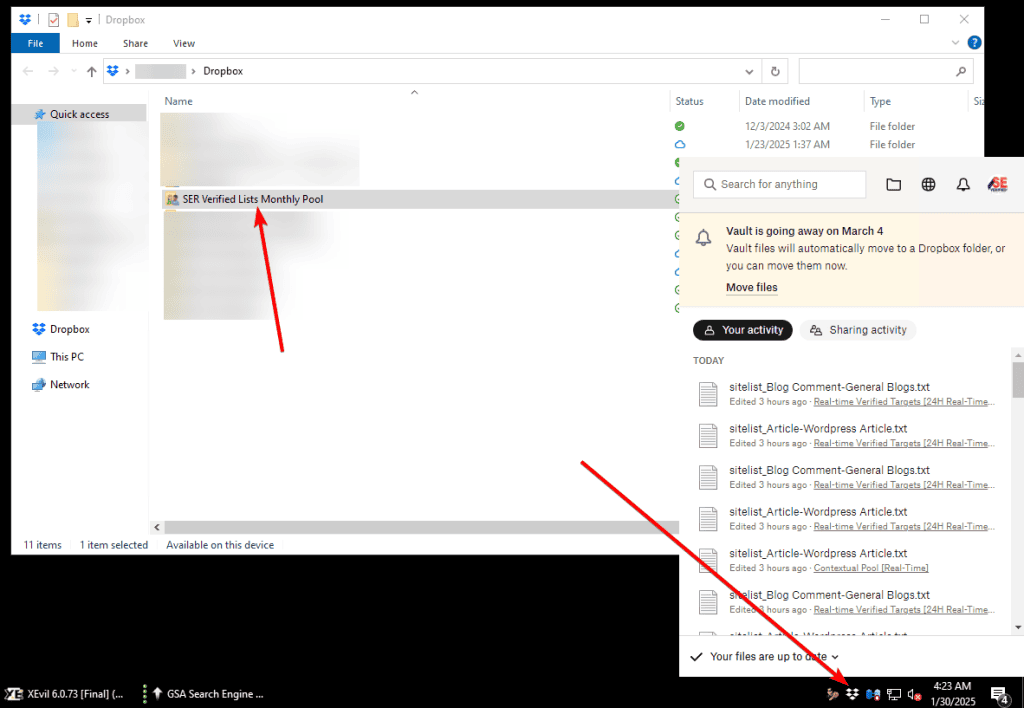
The list can be populated with pre-vetted URLs that have high success rates, or it can be gradually built by exporting successfully posted targets from your active campaigns.
Why You Need a Centralized Target Repository
Running GSA SER without a GSA SER global site list often leads to a fragmented workflow. Each campaign operates in isolation, repeating the same search engine scraping and target identification processes. This wastes proxies, bandwidth, and precious LPM (links per minute). By using a shared target list, you direct your software’s energy toward posting on known, working platforms rather than endlessly hunting for new ones.
Furthermore, a well-curated global list acts as a quality filter. You can scrub dead links, remove sites with low metrics, and ensure that every project in your pipeline benefits immediately from your latest cleanup efforts. This consistency is impossible to achieve when targets are siloed in individual projects.
Setting Up and Managing the Global Site List
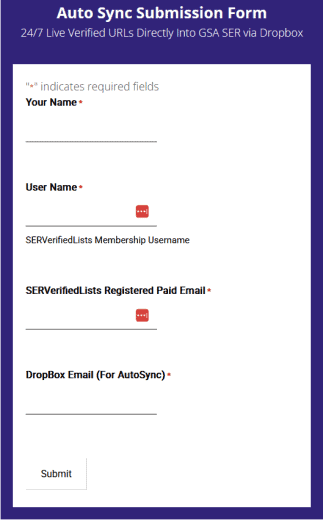
Implementation is straightforward. Within GSA SER’s options menu, you can specify the path to a master text file that serves as your GSA SER global site list. Once configured, you have granular control over how projects interact with it. You can set certain campaigns to use both the global list and their own project-specific lists. The software provides options to select the exact engine types from the global list that should be used, allowing for thematic targeting—for instance, pulling only forum and wiki targets for a specific niche campaign.
Maintenance Best Practices
A stale global site list becomes a liability. Regular maintenance is non-negotiable. You should periodically test your saved URLs to filter out sites that have turned offline, added nofollow attributes, or implemented aggressive captchas. Many users integrate third-party verified lists that are continuously updated, while others build a custom master list by meticulously exporting only high-performing, do-follow targets. The key is to treat the list as a living asset that evolves alongside the shifting landscape of the web.
Strategic Advantages for Tiered Link Building
Tiered campaigns benefit enormously from this architecture. Your Tier 1 projects, which demand high-quality, contextual backlinks, can be pointed toward a pristine subset of the global list containing only hand-reviewed domains. If you beloved this information and also you wish to receive more details regarding buy gsa ser verified lists (Acidblog explained in a blog post) generously go to our web site. Meanwhile, your Tier 2 and Tier 3 projects can aggressively target the broader engine pool from the same centralized source without polluting your premium targets. This tiered access is accomplished by creating multiple global lists for different quality levels and assigning them appropriately, ensuring that your parasite pages, money sites, and buffer properties each receive context-appropriate link profiles.
Common Pitfalls to Avoid
One of the biggest mistakes is overusing a single unchecked list across every project without injection of fresh targets. Search engines evolve, and footprints change. A GSA SER global site list that is never refreshed will inevitably lead to diminishing returns and higher ratios of failed submissions. Another pitfall is ignoring the "footprint" risk—if you use a publicly available, widely circulated target list without any randomization or blending of sources, your backlink graph may exhibit a pattern recognizable to search algorithms. Always mix custom-scraped targets with your stable global entries and use indexers to ensure discovery.
Conclusion
The GSA SER global site list transforms the tool from a simple automated submitter into a scalable, manageable linking engine. By centralizing your target intelligence, you gain persistent efficiency, consistent quality control, and the flexibility to deploy sophisticated multi-tiered strategies. Whether you curate a private list over years of testing or integrate a high-quality verified list, mastering this feature is a fundamental step toward professional-grade automation.