

Strong projects start with a plan that defends against risk, not just a bid that looks good on paper. We focus on build steps, site limits, and weather windows, then shape a clear flow that keeps crews moving. That mindset saves time and headaches while it supports owners who need certainty. In real life, small misses snowball fast, so we break work into tight sequences and define sign-offs early. You’ll see where choices affect outcomes, like fastener patterns on steep slopes or how staging protects the deck from drop damage. We also weigh warranties and code needs before materials even arrive. If you’re comparing roofing services, you want an approach that blends precision with speed. When planned well, even complex steps feel simple, because every task is mapped and verified. You keep control, your property stays protected, and the finish holds up under real weather.
Mapping scope early to reduce surprises and costly fixes
Good jobs begin by defining the work in plain terms, with clear edges and real constraints. We align objectives with a room-by-room checklist roofing services to prevent scope drift during tear-off day. On a 30-square hip roof, for example, we measure ridge lengths, valley counts, and pitch changes before we ever talk lead time. We also walk the lot with the owner to mark trees, fragile gardens, and driveway pinch points. Those small steps stop chaos later when trucks arrive and shingles start to fly.
Next, we translate scope into acceptance criteria that anyone can see on a single page. We define fastener type, row spacing, and starter-course alignment for each plane. Where penetrations exist, we log boot sizes and flashing layers before demo to avoid on-the-fly choices. With standards in place, site leads make faster calls, and the day ends with fewer questions.
Selecting materials that block leaks and fit real-world loads
Around coastal zones, salt air eats cheap metal fast, so we spec coated fasteners and stainless step flashing by default. Our worksheet lists each component roofing services plus a weather note so choices match exposure, height, and wind zone. For a low-slope porch tied to a steep main roof, we may pair modified bitumen at the transition with dimensional shingles above. We choose underlayments by slope and climate, not habit.
In mountain towns, we extend ice barrier 24 inches past the warm wall and add sturdy drip edge. Fastener length is picked for deck thickness and shingle profile, not guesswork. If decking is plank, we test for gaps and pre-plan infill so fasteners bite right. These small, practical picks stop early failures and keep warranties clean.
Orchestrating handoffs and sequencing to beat weather and noise windows
Tear-off compresses risk into a few hours, so we stack tasks into tight blocks with named leads. The day plan shows who owns deck inspection roofing services and who chases flashings so nothing waits on no one. On duplexes, we phase sides to honor quiet hours, running compressors late morning and hand work near bedrooms first. If radar pops red, we pause ridge caps and secure felt with cap nails fast.
We keep deliveries early and staging tidy to free lanes for residents. Dump runs hit at mid-shift, not at close, to avoid overtime and dark cleanup. A ready helper team absorbs shocks so the line never stops. With crisp handoffs and focused timing, the job moves without dead time.
Proving fit with inspection and taming risk before sign-off
Every phase gets a check: deck, underlayment, flashing, shingles, then trim. We log photos at each step roofing services so owners see proof and crews learn from clear wins. A 4:12 porch may pass a hose test in ten minutes, but we still inspect nail lines and sealant edges in full sun. On chimneys, we use story sticks to verify step and counter heights to avoid water traps.
Trial builds on tricky corners reduce guesswork before the real piece goes in. If a deck dips, we shim and re-nail to prevent waves that telegraph through shingles. When the roof meets siding, we lift two courses and tuck flashing correctly so water has a path out. Measured checks beat eyeballing every time on homes and small retail spaces alike.
Extending care with upkeep and long-view lifecycle planning
The job is done when it survives seasons, not when the truck leaves. We set a light-touch plan Roofing Services that covers fall debris sweep, spring fastener scan, and a five-year flashing refresh. On tall two-stories, we specify safe ladder footing, ridge-walk harness points, and a simple photo log for owners. Valley pans get checked after hail because dents hide tears.
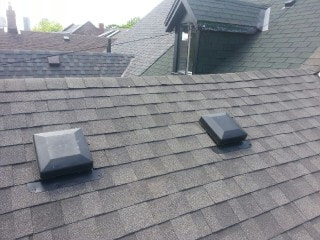
Small tasks preserve big systems at low cost. Once a year, check pipe boots for cracks and look for nail pops along ridges. Where moss grows, use gentle cleaners and zinc strips, not pressure. With routine care and clear notes, the roof stays tight and budgets stay calm.
Conclusion: A resilient project blends tight scoping, fit-for-climate components, disciplined sequencing, rigorous checks, and steady care. Think of every step as a safety net for the one ahead. That frame reduces risk, clarifies choices, and speeds closeout with fewer surprises. When done this way, the result looks sharp, withstands weather, and performs for years without drama.