
One of the primary motivations behind the creation of the UED is the growing complexity of data management in an era defined by rapid technological advancements. With the proliferation secretary of state company search digital platforms and the Internet of Things (IoT), entities often struggle to keep track of key data about their stakeholders. The UED aims to address this challenge by providing a centralized repository that integrates data from various sources, including government databases, commercial records, and social media platforms.
Conducting an entity corporation search secretary of state is vital for several reasons. Entrepreneurs may want to verify the existence of a business, check the corporation status search of a competitor, or ensure that a chosen business name is available for registration. Additionally, potential backers and partners often conduct entity searches to assess the legitimacy and credibility of a business before entering into any agreements.
Moreover, the UED is expected to enhance collaboration between government agencies and private organizations. By breaking down silos and promoting data sharing, the data reference point will enable stakeholders to work together more effectively, ultimately leading to improved outcomes in areas such as public health, law enforcement, and economic development. For instance, during emergencies such as natural disasters or public health crises, the UED can provide real-time data to first responders and health officials, enabling for a more coordinated and efficient response.
The data resource includes a wealth of data about each entity, such as registration details, ownership structures, financial statements, and regulatory alignment records. Users can search for entities by name, location, or registration number, making it easier than ever to locate the information they need. This level of openness is not only beneficial for customers but also for investors and analysts who rely on accurate data to make informed decisions.
As the UED moves forward, its success will depend on the commitment of all stakeholders involved. Collaboration between federal, state, and local governments, as well as partnerships with the private sector, will be essential in creating a solid and effective data reference point. Training and resources will also be necessary to equip personnel with the skills needed to navigate the complexities of data management and analysis.
Florida is home to a diverse array of businesses, ranging from small startups to large corporations. With its favorable tax environment and strategic location, the state attracts a multitude of entrepreneurs seeking to establish their ventures. However, with the opportunities come responsibilities, particularly in terms of regulatory alignment with state regulations.
Additionally, the data repository has a key role in meeting legal requirements. Companies are required to adhere to multiple adherence rules, including those related to tax, workforce, and environmental laws. The details repository helps entities ensure adherence by providing access to vital information regarding their own registrations as well as those of their competitors. This can aid in avoiding potential fines and adherence risks that may arise from non-compliance.
One of the primary objectives of the details repository is to increase the visibility of commercial activities. In recent years, there has been a rising need for transparency in the company lookup secretary of state world, fueled by concerns over fraud, money laundering, and other illicit activities. The database helps tackle these issues by providing a transparent overview of ownership details and organizational structure. This data is vital for stakeholders, including financial stakeholders, creditors, and buyers, who want to understand the credibility and activity of businesses before doing business.
Furthermore, collaborations between government agencies and private sector groups are being explored to strengthen the details repository's capabilities. By leveraging the expertise of private companies, the government can improve data collection methods, improve data accuracy, and expand the information repository's reach. These partnerships can lead to the development of new tools and resources that make the database even more user-friendly and accessible.
One of the primary goals of the USA Entity Data repository is to improve visibility in the business sector. In recent years, there has been a growing demand for more accessible details regarding corporate entities, especially in light of numerous scandals involving corporate malfeasance. By providing a centralized details repository, the government hopes to empower citizens to make informed decisions about the companies they engage with, fostering an environment of accountability and trust.
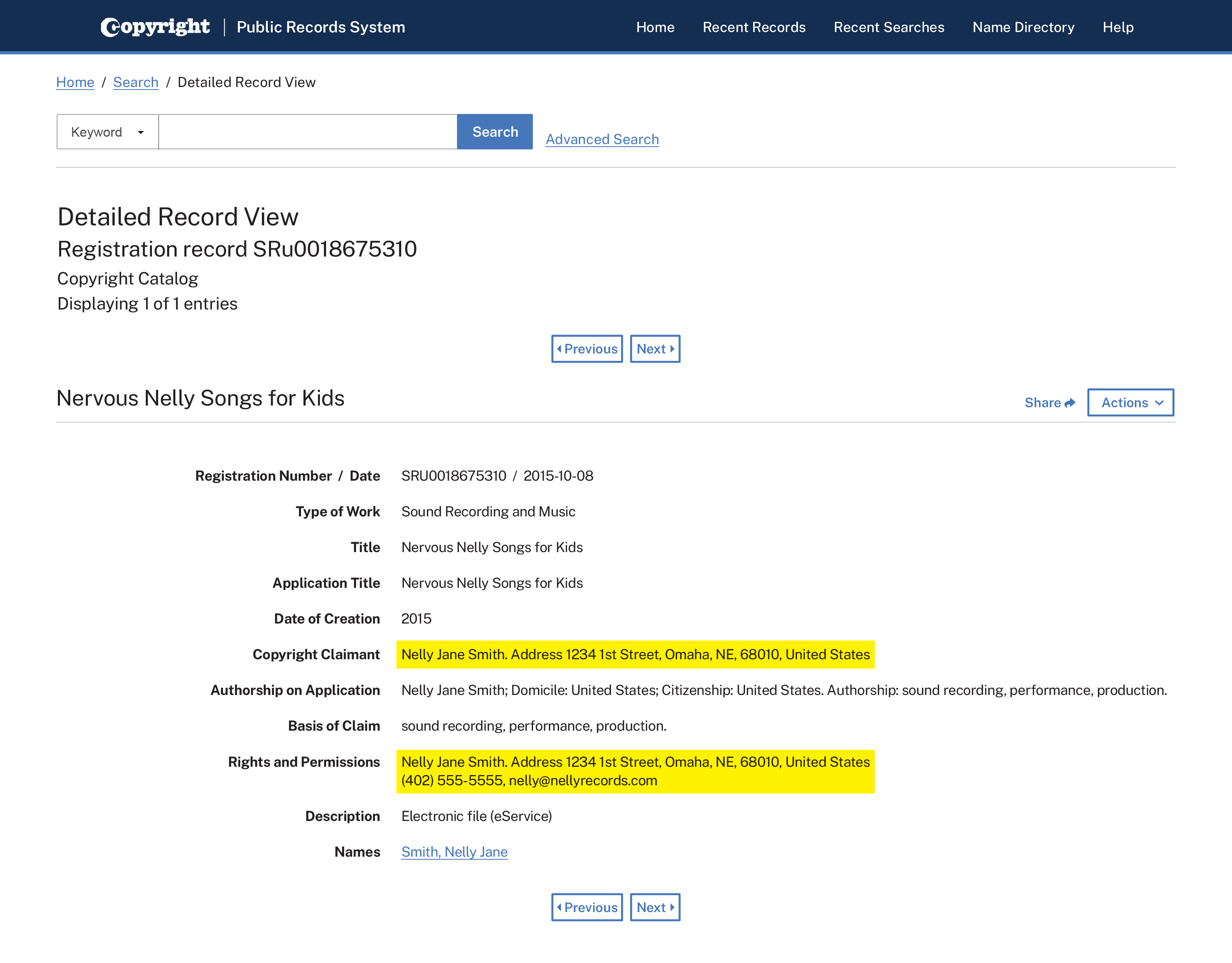 The U.S. Entity Database is the outcome of collaborative efforts among multiple government bodies, aiming to make more efficient the process of retrieving business data. By bringing together data that was previously scattered across multiple platforms, this system not only enhances efficiency but also encourages accountability in the commercial environment. The database is designed to be user-friendly, enabling individuals and groups to search for entities using various parameters, including entity name, geographic location, and status.
Conducting an entity corporation search secretary of state is vital for several reasons. Entrepreneurs may want to verify the existence of a business, check the corporation status search of a competitor, or ensure that a chosen business name is available for registration. Additionally, potential backers and partners often conduct entity searches to assess the legitimacy and credibility of a business before entering into any agreements.
Moreover, the UED is expected to enhance collaboration between government agencies and private organizations. By breaking down silos and promoting data sharing, the data reference point will enable stakeholders to work together more effectively, ultimately leading to improved outcomes in areas such as public health, law enforcement, and economic development. For instance, during emergencies such as natural disasters or public health crises, the UED can provide real-time data to first responders and health officials, enabling for a more coordinated and efficient response.
The data resource includes a wealth of data about each entity, such as registration details, ownership structures, financial statements, and regulatory alignment records. Users can search for entities by name, location, or registration number, making it easier than ever to locate the information they need. This level of openness is not only beneficial for customers but also for investors and analysts who rely on accurate data to make informed decisions.
As the UED moves forward, its success will depend on the commitment of all stakeholders involved. Collaboration between federal, state, and local governments, as well as partnerships with the private sector, will be essential in creating a solid and effective data reference point. Training and resources will also be necessary to equip personnel with the skills needed to navigate the complexities of data management and analysis.
Florida is home to a diverse array of businesses, ranging from small startups to large corporations. With its favorable tax environment and strategic location, the state attracts a multitude of entrepreneurs seeking to establish their ventures. However, with the opportunities come responsibilities, particularly in terms of regulatory alignment with state regulations.
Additionally, the data repository has a key role in meeting legal requirements. Companies are required to adhere to multiple adherence rules, including those related to tax, workforce, and environmental laws. The details repository helps entities ensure adherence by providing access to vital information regarding their own registrations as well as those of their competitors. This can aid in avoiding potential fines and adherence risks that may arise from non-compliance.
One of the primary objectives of the details repository is to increase the visibility of commercial activities. In recent years, there has been a rising need for transparency in the company lookup secretary of state world, fueled by concerns over fraud, money laundering, and other illicit activities. The database helps tackle these issues by providing a transparent overview of ownership details and organizational structure. This data is vital for stakeholders, including financial stakeholders, creditors, and buyers, who want to understand the credibility and activity of businesses before doing business.
Furthermore, collaborations between government agencies and private sector groups are being explored to strengthen the details repository's capabilities. By leveraging the expertise of private companies, the government can improve data collection methods, improve data accuracy, and expand the information repository's reach. These partnerships can lead to the development of new tools and resources that make the database even more user-friendly and accessible.
One of the primary goals of the USA Entity Data repository is to improve visibility in the business sector. In recent years, there has been a growing demand for more accessible details regarding corporate entities, especially in light of numerous scandals involving corporate malfeasance. By providing a centralized details repository, the government hopes to empower citizens to make informed decisions about the companies they engage with, fostering an environment of accountability and trust.
The U.S. Entity Database is the outcome of collaborative efforts among multiple government bodies, aiming to make more efficient the process of retrieving business data. By bringing together data that was previously scattered across multiple platforms, this system not only enhances efficiency but also encourages accountability in the commercial environment. The database is designed to be user-friendly, enabling individuals and groups to search for entities using various parameters, including entity name, geographic location, and status.